Buyer's Guide to choosing the right air duct cleaning service
Buyer's Guide to choosing the right air duct cleaning service
Blog Article
Air Duct Cleaning: Inhale Easier With These Essential Tips
Air duct maintenance is essential in preserving a healthy indoor environment. It helps remove contaminants, dust, and allergens that can impact air quality. Identifying when ducts require service is vital for peak HVAC performance. Homeowners often overlook the methods and equipment required for thorough cleaning. Learning about these aspects can greatly impact energy savings and comfort. What steps should one take to guarantee improved air quality and system efficiency?
How Air Duct Cleaning Strengthens Your Health
Air duct cleaning improves air quality indoors, creating better wellness for residents. Over time, allergens, pollutants, and dust accumulate within the ductwork, moving throughout the air. This buildup can aggravate respiratory issues, allergies, and health problems. By removing these impurities, air duct cleaning lowers the chance of airborne illnesses and promotes a healthier living environment.
Additionally, clean air ducts can increase the effectiveness of climate control systems, bringing about more uniform temperatures and decreased energy expenditure. This not only aids in overall well-being but also decreases exposure to toxic contaminants that can be released when systems are neglectfully maintained.
Periodic maintenance of air ducts assures that clean, fresh air flows throughout the home, enhancing better sleep, increased energy levels, and overall well-being. Ultimately, maintaining clean air ducts is an crucial step in protecting the health of all occupants.
Signals Your Ducts Need Cleaning?
Regular maintenance of air ducts is essential for maintaining a clean living environment. Homeowners should be vigilant for several signs indicating that duct cleaning is necessary.
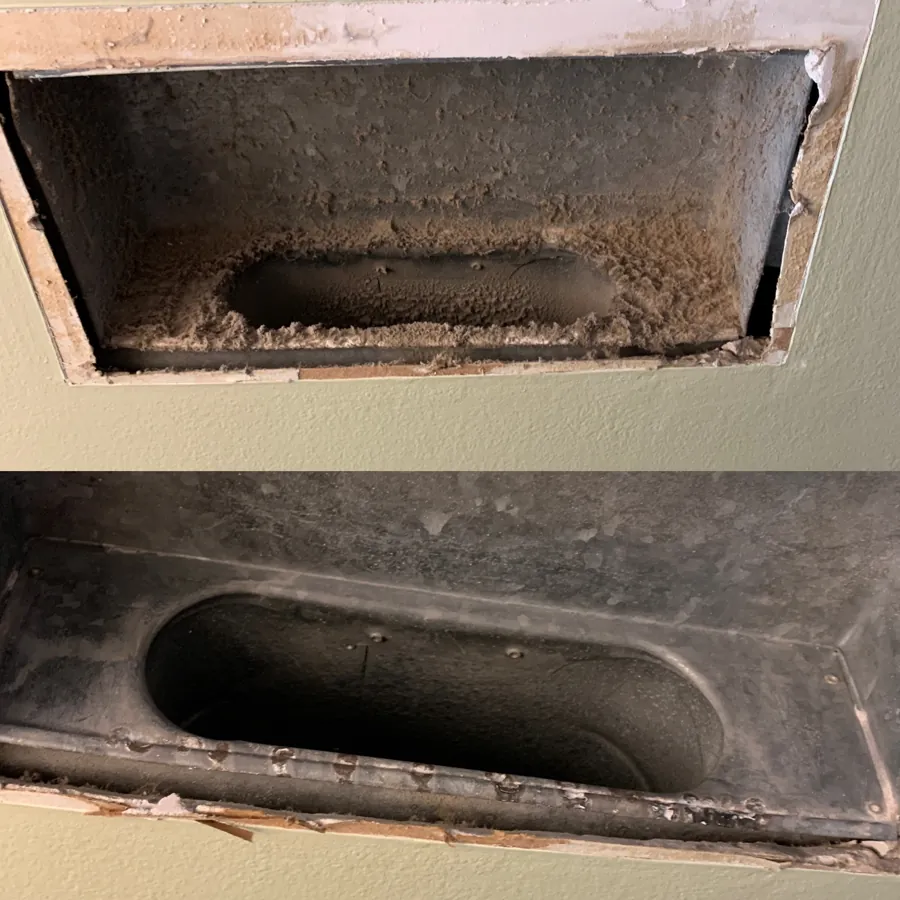
One prominent indicator is visible dust or debris around vents or the air filter, pointing to accumulated dirt within the ducts. Additionally, if occupants experience increased allergic reactions, such as sneezing or congestion, it may signal that pollutants are circulating in the air.
Unpleasant odors issuing from vents may also suggest fungal growth or stagnant debris. Moreover, if the HVAC system is running poorly, requiring frequent repairs or resulting in inconsistent temperatures, dirty ducts could be the culprit.
Ultimately, a bump in power costs may expose a plugged system unable to circulate air properly. Observing these clues can help secure frequent cleaning and preserve top-tier indoor air quality.
DIY Air Duct Cleaning Tools You Need
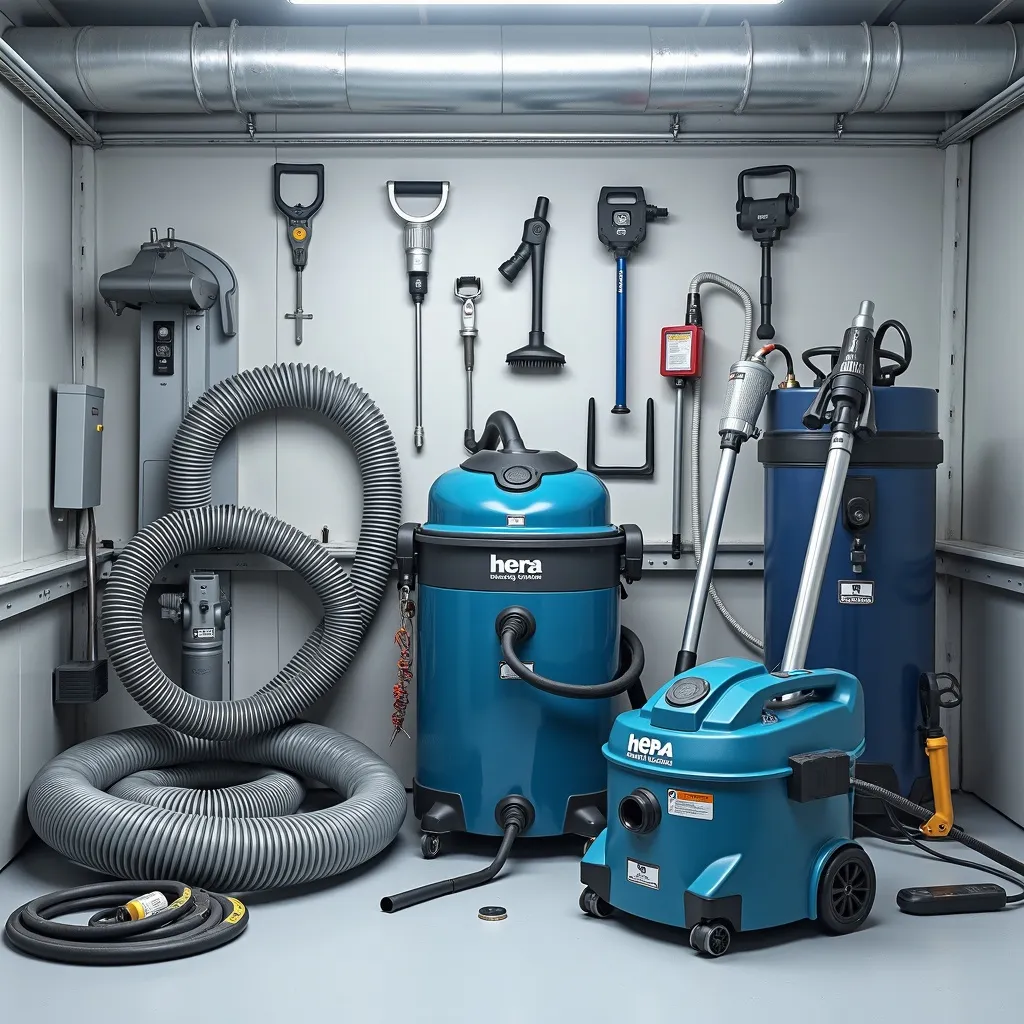
Keeping clean air ducts demands the proper tools to guarantee effective DIY restoration. Key implements for this task include a vacuum cleaner outfitted with a HEPA filter, which captures microscopic particles and allergens.
A assortment of brushes, specifically designed for cleaning ducts, helps remove dust and debris from the duct walls. Furthermore, a light source is essential for examining dark areas in the ducts, guaranteeing thorough cleaning.
Protective equipment, such as gloves and a dust mask, is crucial to copyright protection while managing dust and possible contaminants. important guide A set of screwdrivers is also essential for removing vent covers and access panels.
A wet fabric can ultimately be used to wipe vent surfaces once cleaning is done. Together, these implements provide a comprehensive kit for anyone wanting to address air duct care safely and effectively.
Collect Necessary Tools
Obtaining the right tools is indispensable for an effective air duct cleaning process. A high-quality vacuum cleaner with a HEPA filter is important for removing dust and allergens.
A collection of brushes, including a long-handled duct brush, helps dislodge debris from the duct walls. Adaptable duct cleaning rods can extend reach and facilitate access to hard-to-reach areas. Also, having a flashlight allows for thorough examination of the ducts' interiors.
Protective gear, including gloves and masks, ensures safety during cleaning. Finally, a step ladder may be necessary for accessing higher vents.
Prepare Your Space
A well-arranged space is crucial for an effective air duct cleaning procedure. First, the area around vents should be cleared of items and blockages to permit easy access. This helps prevent any harm to belongings and ensures a thorough cleaning.
Following this, property owners should cover supply vents with plastic sheeting to contain dust and debris during the procedure. It is also recommended to turn off the HVAC system to avoid circulating contaminants.
Finally, placing a vacuum with a HEPA filter in the vicinity can help capture any particles dislodged during cleaning. By following these steps, individuals establish an optimal setting that enables effective air duct cleaning and enhances overall results.
Completely Clean Ducts
Before beginning the air duct cleaning service, it's critical for homeowners to understand the step-by-step approach that provides thoroughness and effectiveness.
First, one should collect required equipment, such as a vacuum, brushes, and microfiber cloths. Next, turn off the HVAC system to promote safety.
Afterwards, detach the vent covers and wash them with warm soapy water. Utilizing a vacuum, cautiously remove dust and debris from the ducts. For deeper cleaning, apply duct brushes to dislodge stubborn particles.
After scrubbing, put the vent covers back in place and swap the air filter. Finally, power the HVAC system back on and listen for any unusual sounds.
Finding a Trusted Air Duct Cleaning Business
How can one secure that they choose a dependable air duct cleaning service? First, it is important to examine potential providers thoroughly. Verifying for certifications, such as those from the National Air Duct Cleaners Association (NADCA), guarantees clients of compliance to industry standards.
Next, gathering multiple quotes makes possible a assessment of services and rates. A reliable organization will conduct a thorough review before providing an quote, sidestepping any misleading low-cost offers.
Additionally, ask regarding the cleaning methods and equipment used; a trusted service will use cutting-edge tools and techniques.
Lastly, ensure the company maintains appropriate insurance and is bonded, protecting clients from potential damages.
Methods to guarantee clean Air Ducts all Year
Keeping air ducts clean year-round is essential for guaranteeing air quality inside your home and system efficiency. Regular inspections are important; property owners should examine ducts for dirt and particles buildup periodically throughout the year.
Employing premium air filtration systems will greatly lower contaminants, because these filters catch smaller contaminants that standard filters may miss. It is advisable to replace these filters at least every three months or according to manufacturer guidance.
In addition, lowering air pollutants inside can facilitate maintaining duct cleanliness. This includes limiting dust-generating activities, such as smoke exposure or burning certain candles, and confirming adequate ventilation when applying cleaning products.
Consistent cleaning of the home, including vacuuming and wiping, helps reduce the amount of dust that could infiltrate the ducts. Finally, arranging a professional cleaning every few years can further guarantee that air ducts stay clear of dangerous accumulation, promoting a healthier living environment.
Air Duct Cleaning: Costs vs. Advantages
Analyzing the strengths and weaknesses of air duct cleaning shows critical insights for homeowners. The starting investment typically amounts from $300 to $1,000, influenced by factors like the size of the home and the complexity of the duct system.
While this may seem significant, the potential benefits often outweigh the costs. Air ducts that are cleaned can improve indoor air quality, decreasing allergens and irritants. This may result in fewer respiratory issues and lower healthcare costs over time.
Additionally, a spotless duct system can improve HVAC efficiency, possibly reducing energy bills by 10-30%. Homeowners should also evaluate the operational life of their HVAC systems.
Regular cleaning can extend the lifespan of the equipment, decreasing the need for early replacements. In the end, comparing the initial expenses versus long-lasting wellness advantages and power conservation can help homeowners make educated choices regarding air duct maintenance.
Common Inquiries Asked Regularly
How Many Times Should I Clean My Air Ducts?
Specialists recommend servicing your air ducts every three to five years. However, circumstances such as pets, allergies, or recent renovations may demand more frequent cleanings. Routine maintenance ensures enhanced air quality and system efficiency for optimal performance.
Should I Clean My Air Ducts Without Professional Help?
Although it's feasible to remove duct debris independently, DIY techniques may not produce comprehensive cleaning. Appropriate equipment and methods are vital for effective cleaning, making professional services typically a more trustworthy alternative for enhanced air quality.
What Possible Issues Do Soiled Air Ducts Present?
Unclean air ducts may create compromised indoor air quality, magnifying allergens and pollutants. This could result in respiratory issues, allergies, and overall discomfort. Additionally, piled-up particles can weaken HVAC efficiency, spiking energy costs.
Do Air Duct Purification Experts Come with Certifications?
Many air duct cleaning services do provide guarantees, affirming client gratification. These guarantees often cover the quality of work performed, presenting reassurance that the service will meet specific standards and address any difficulties that occur subsequent to cleaning.
Is Air Duct Maintenance Worth the Investment?
Allocating funds to duct cleaning services can be worthwhile, as it enhances air quality within your home, boosts HVAC performance, and potentially extends system operational life. Homeowners frequently report noticeable advantages, making it a smart choice for many.
Report this page